When you open your dog’s food container and realize it’s empty, panic can set in fast. Whether you forgot to restock, delivery is delayed, or you’re stuck indoors due to weather or an emergency, you need solutions that keep your dog safe, healthy, and satisfied. The good news: you likely have emergency dog food options in your kitchen right now. But not all human foods are safe for dogs. Some are nutritious, others can cause sickness. Knowing what to feed—and what to avoid—can make all the difference.
This guide helps you navigate emergency dog food options when you run out of pet food. You’ll discover safe foods, how to prepare them, what to avoid, and how to transition back to regular dog food. With clear advice and practical tips, you’ll be ready for any situation.
Understanding Your Dog’s Nutritional Needs
Dogs are not small humans. Their bodies need specific nutrients, and a balanced diet is crucial for their health. Protein supports muscles, fats provide energy, and carbohydrates offer fuel. Vitamins and minerals keep their body systems working. A sudden change in diet isn’t ideal, but in emergencies, short-term substitutions are safe if you know what to pick.
Puppies, seniors, pregnant dogs, and those with medical conditions may need special attention. If you know your dog has allergies or a sensitive stomach, take extra care and consider calling your vet for advice if possible.
Safe Emergency Dog Food From Your Kitchen
When regular dog food is gone, turn to common foods that are safe for most dogs. These foods should be plain—avoid seasonings, sauces, and oils.
1. Cooked White Rice
White rice is gentle on your dog’s stomach. It’s often recommended for dogs with digestive issues. Cook it plainly, with no salt or butter. Mixed with lean protein, it makes a simple, filling meal.
2. Boiled Chicken
Boneless, skinless chicken is a top protein choice. Boil the chicken without seasoning, then shred or cut into bite-sized pieces. Remove all bones and skin to avoid choking hazards.
3. Plain Cooked Eggs
Eggs are packed with protein and healthy fats. Scramble or boil them, with no butter, oil, or seasoning. Serve cooled and chopped for easy eating.
4. Canned Pumpkin (pure, Not Pie Filling)
Plain canned pumpkin helps digestion and is gentle on the stomach. Make sure it’s pure pumpkin, not pie filling (which contains sugar and spices). It can be mixed with rice or meat.
5. Plain Cooked Ground Beef Or Turkey
Ground beef or turkey must be cooked thoroughly and drained of fat. Avoid onions, garlic, and seasonings. Mix with rice for a balanced emergency meal.
6. Oatmeal
Plain oatmeal (not flavored or instant with sugar) is another gentle carbohydrate. Cook with water and let it cool before serving.
7. Carrots
Carrots can be served raw (cut into small pieces for safety) or cooked. They provide fiber, vitamins, and a satisfying crunch.
8. Green Beans
Green beans, cooked or raw, are low-calorie, nutritious, and filling. Chop into bite-sized pieces.
9. Apples (no Seeds Or Core)
Apples are safe if you remove the seeds and core, which are toxic. Slice and serve as a crunchy treat.
10. Plain Cooked Potatoes
White or sweet potatoes (cooked, not raw) are safe. Boil, mash, or bake with no seasoning.
11. Canned Tuna Or Salmon (in Water)
Canned fish in water, not oil or brine, is rich in protein and omega-3s. Offer in moderation due to salt content.
12. Cottage Cheese Or Plain Yogurt
Plain, unsweetened dairy like cottage cheese or yogurt can be a protein source for dogs that tolerate dairy. Avoid flavored or sweetened products.
13. Peas
Cooked peas are safe and provide fiber, vitamins, and protein. Avoid canned peas with added salt.
14. Unseasoned Plain Pasta
Plain pasta can be used in small amounts if you’re out of other options. It should be cooked and cooled.
15. Peanut Butter (unsweetened, No Xylitol)
Peanut butter is a favorite treat. Ensure it contains no xylitol, which is deadly to dogs. Serve in small amounts.
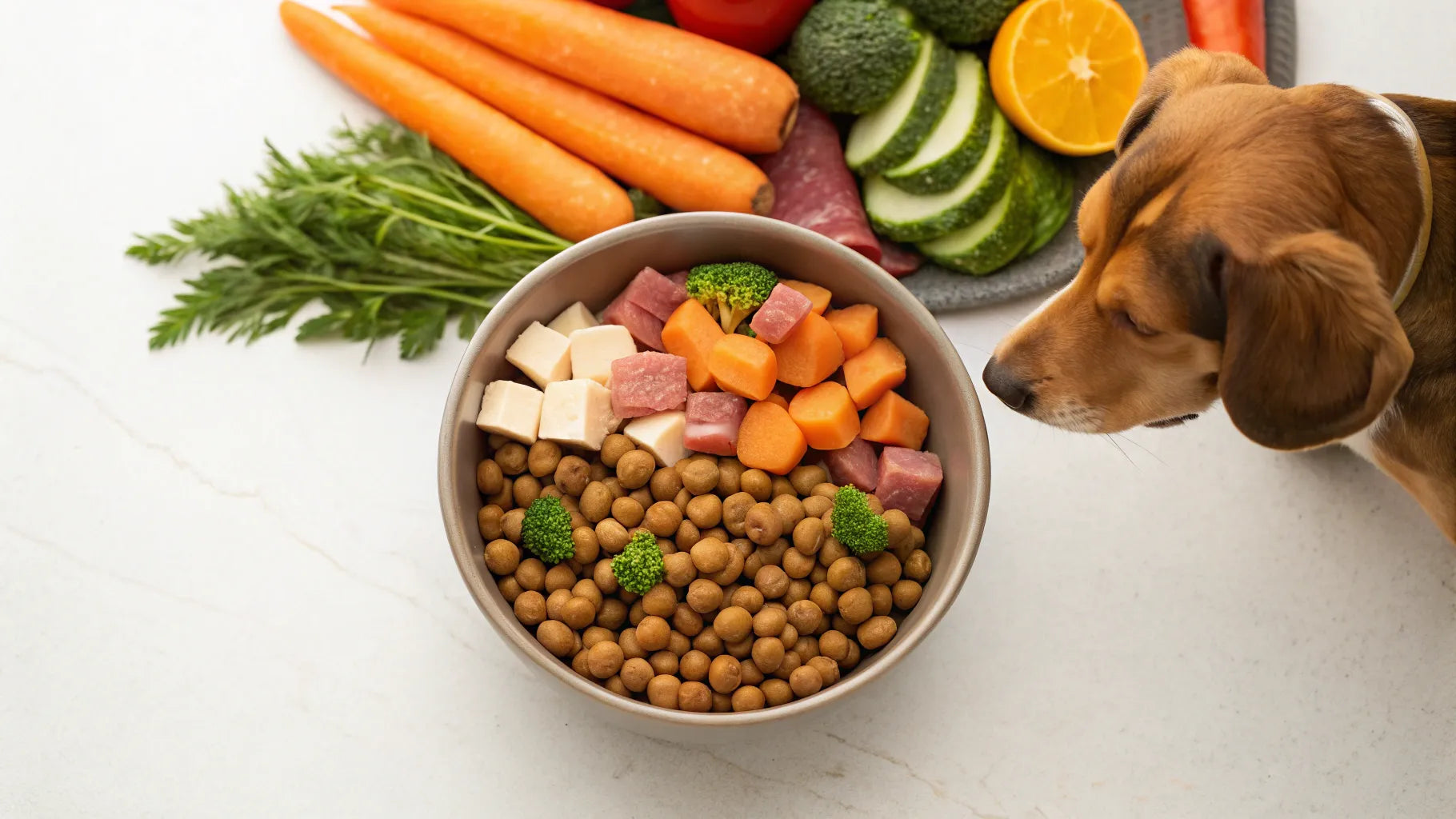
Credit: www.houndsy.com
Foods To Avoid During Emergencies
Not all kitchen foods are safe for dogs. Some common items can be dangerous or even fatal.
- Chocolate: Contains theobromine, toxic to dogs.
- Onions and Garlic: Damage red blood cells.
- Grapes and Raisins: Can cause kidney failure.
- Avocado: Contains persin, which is toxic.
- Macadamia Nuts: Can cause severe weakness and tremors.
- Cooked Bones: Splinter and cause blockages or injuries.
- Xylitol: Found in sugar-free foods and peanut butter—deadly even in small amounts.
- Alcohol and Caffeine: Both are extremely dangerous.
If your dog eats any of these, contact your vet or an emergency animal poison control line immediately.
How To Prepare Emergency Dog Meals
Making a quick, nutritious meal doesn’t have to be complicated. Here’s a simple process to follow:
- Pick a Protein: Boiled chicken, eggs, cottage cheese, or canned fish.
- Add a Carb: Rice, oatmeal, pasta, or potatoes.
- Include a Veggie: Carrots, peas, or green beans.
- Mix and Serve: Combine in a bowl. Let it cool before serving. Avoid adding salt, oil, or spices.
Sample Emergency Meal
- 1 cup cooked white rice
- ½ cup boiled, shredded chicken
- ¼ cup cooked carrots
Mix all together and serve once cooled. Adjust portion for your dog’s size.
Credit: bowwowinsurance.com.au
Emergency Feeding: Portion Sizes And Frequency
Dogs should not overeat, even in emergencies. Overfeeding new foods can cause stomach upset. Here’s a guide for one meal:
| Dog Size | Approximate Weight | Meal Size (cooked food) |
|---|---|---|
| Small | Under 20 lbs | ½ – 1 cup |
| Medium | 20-50 lbs | 1 – 2 cups |
| Large | 50-90 lbs | 2 – 3 cups |
| Giant | Over 90 lbs | 3 – 4 cups |
Split the total amount into two or three meals a day if possible. Watch for signs of stomach upset and offer plenty of fresh water.
What About Leftovers And Table Scraps?
Some leftovers can be used, but only if they meet these rules:
- No salt, spices, or sauces
- No fried or fatty foods
- No ingredients from the “dangerous” list above
Good leftover examples: plain cooked vegetables, plain chicken, plain rice.
Bad leftovers: pizza, casseroles, seasoned meats, foods with onions or garlic.
When Emergency Dog Food Is Needed: Real-life Scenarios
Running out of dog food happens for many reasons. Here are some real-life examples and what to do:
Snowstorms Or Natural Disasters
Power outages or blocked roads can delay shopping. Use shelf-stable options like canned fish, rice, and frozen veggies if fresh foods run out.
Delivery Delays
Online orders sometimes arrive late. In this case, check your pantry for safe, plain foods to use for a day or two.
Travel Mishaps
If you forget your dog’s food while traveling, grocery stores almost always carry eggs, rice, and vegetables.
Financial Emergencies
If money is tight, focus on low-cost, healthy basics like rice and eggs. Remember, short-term homemade meals are better than skipping meals.
Shelf-stable Emergency Dog Food To Keep On Hand
It’s smart to keep backup options for emergencies. These foods last a long time and can be stored easily:
- Canned dog food: Lasts for years if unopened.
- Dehydrated or freeze-dried dog meals: Just add water.
- Plain canned pumpkin
- Canned unsalted veggies
- Canned fish in water
Store these in a cool, dry place. Rotate stock so nothing expires.
How To Transition Back To Regular Dog Food
Sudden changes in diet can upset your dog’s stomach. When your regular dog food is available again, make the switch slowly.
- Mix new and old foods: Start with 75% emergency food, 25% regular dog food.
- Increase regular food: Over three to four days, increase the amount of regular food and decrease the emergency food.
- Watch for problems: If your dog vomits or has diarrhea, slow the transition.
Key Differences: Homemade Meals Vs. Commercial Dog Food
Homemade dog food is fine for emergencies, but commercial dog food is made to meet all your dog’s nutritional needs long term. Here’s a quick comparison:
| Aspect | Homemade Emergency Meals | Commercial Dog Food |
|---|---|---|
| Nutritional Balance | Short-term only, may lack vitamins/minerals | Formulated for long-term health |
| Convenience | Requires cooking/prep | Ready to serve |
| Shelf Life | Short (fresh/cooked foods) | Long (dry/canned) |
| Cost | Usually low (basic ingredients) | Varies by brand/type |
For daily feeding, always use a complete dog food made for your dog’s life stage and size.
Tips For Making Emergency Dog Food Safer
- Cook all meats and eggs: Avoid raw ingredients to reduce the risk of bacteria.
- Cut food into small pieces: Prevent choking, especially in small dogs or those who eat fast.
- Serve at room temperature: Hot foods can burn your dog’s mouth.
- Watch for allergies: If your dog has a known allergy, avoid that food.
- Check food expiration dates: Old or spoiled food can make dogs sick.
How Long Can Dogs Eat Emergency Food?
Short-term feeding (1-3 days) of emergency meals is safe for healthy adult dogs. Puppies, seniors, or sick dogs may need their regular diet sooner. If you run out of pet food for longer, contact your vet for advice on supplements or recipes.
Signs Of Trouble: When To Call The Vet
Some dogs may react badly to new foods. Watch for these warning signs:
- Vomiting or severe diarrhea
- Refusing to eat for more than 24 hours
- Weakness or collapse
- Swollen belly
If you see these, call your vet right away.
Common Mistakes To Avoid
- Feeding dangerous foods: Always check if a new food is safe.
- Using too much fat or spice: This can cause pancreatitis or stomach upset.
- Switching foods too quickly: Sudden changes can cause digestive issues.
- Not providing water: Dogs need fresh water with every meal.
- Relying on emergency foods long term: These are for short-term use only.
Credit: www.animalfriends.co.uk
How To Prepare For Future Emergencies
Being prepared means you won’t have to scramble next time. Here’s how:
- Keep a small stock of canned or dry dog food for emergencies.
- Store shelf-stable human foods safe for dogs (rice, canned pumpkin, etc. ).
- Make a list of safe foods for your dog and keep it on your fridge.
- Learn where your local emergency vet clinic is located.
Emergency Dog Food Recipes
Here are two simple recipes using common kitchen items:
Recipe 1: Chicken And Rice Comfort Bowl
- 1 cup cooked white rice
- ½ cup boiled, shredded chicken (no bones/skin)
- ¼ cup cooked carrots, chopped
Mix together and let cool before serving.
Recipe 2: Egg And Oatmeal Breakfast
- 2 eggs, scrambled (no oil/butter)
- ½ cup cooked plain oatmeal
- 2 tablespoons plain pumpkin puree
Combine and serve once cooled.
These meals are gentle, easy to digest, and use pantry staples.
Table: Fast Reference For Safe Emergency Foods
Here’s a handy list for quick decisions:
| Food | Safe for Dogs? | Notes |
|---|---|---|
| Cooked rice | Yes | Plain only, no salt |
| Boiled chicken | Yes | No bones/skin |
| Eggs | Yes | Cooked, no oil |
| Onions | No | Toxic |
| Canned tuna (in water) | Yes | In moderation |
| Chocolate | No | Toxic |
| Apples | Yes | No seeds/core |
| Grapes/raisins | No | Toxic |
| Carrots | Yes | Raw or cooked |
Non-obvious Insights Most Dog Owners Miss
Many people know about plain rice and chicken, but two often overlooked options are canned pumpkin and plain oatmeal. Both are easy to store, last a long time, and are gentle on your dog’s stomach. Another tip: plain yogurt can help if your dog’s stomach is upset, but only if your dog tolerates dairy.
Also, remember that transitioning back to regular food is just as important as the emergency meal itself. A rushed switch can cause more digestive problems than the emergency meal did.
For more on what dogs can and cannot eat, the ASPCA’s pet poison guide is a trusted resource.
Frequently Asked Questions
What If My Dog Refuses To Eat Emergency Food?
Some dogs are picky. Try mixing emergency food with a small amount of plain, low-sodium broth to increase appeal. If your dog still refuses to eat for more than 24 hours, contact your vet.
How Long Can My Dog Go Without Food?
Healthy adult dogs can go 2-3 days without food, but puppies, seniors, and sick dogs need food much sooner. Try to feed something safe as soon as possible and always provide water.
Is It Okay To Feed My Dog Cat Food In An Emergency?
Feeding cat food occasionally won’t harm most dogs, but it’s much higher in fat and protein and can cause stomach upset. Only use it for a single meal if you have no other option.
Can I Use Baby Food For My Dog?
Plain meat-based baby foods (no onion, garlic, or seasoning) can be used in small amounts. Always check the label for dangerous ingredients.
What Should I Do If My Dog Eats Something Toxic During An Emergency?
Contact your vet or animal poison control immediately. Quick action can save your dog’s life. Keep emergency numbers handy at all times.
Running out of dog food is stressful, but with the right knowledge, you can keep your dog safe and healthy until you can restock. Plan ahead, keep a list of safe emergency foods, and remember: simple, plain, and unseasoned is best. Your dog will thank you for it.