If your dog keeps missing the potty pad, you’re probably feeling frustrated. The smell, the mess, and the extra cleaning can make anyone feel overwhelmed. The good news is, this problem is common and can almost always be fixed. Dogs are smart and want to please their owners, but sometimes, they need a little help to get it right.
Whether you have a puppy, an older dog, or a rescue adjusting to a new home, understanding why your dog misses and how to help them succeed will make life easier for both of you.
Many owners think their dog is being stubborn or naughty. In reality, most dogs miss the potty pad because of confusion, anxiety, or simple mistakes. There are often small things in your routine, pad placement, or environment that can make a big difference.
This article explains proven, easy fixes for every kind of dog and home. By the end, you’ll have a clear plan to help your dog use the potty pad every time—with less stress and more confidence.
Why Dogs Miss The Potty Pad
Before solving the problem, it’s important to know why it happens. There are several possible reasons, and sometimes more than one applies.
- Pad is Hard to Reach: If the potty pad is in a place that’s blocked, too far, or not visible, your dog may not get there in time.
- Pad is Dirty: Dogs don’t like stepping in old messes. If the pad is soiled, they may go next to it.
- Wrong Size Pad: A small pad is easy to miss, especially for bigger dogs or puppies still learning control.
- Confusion or Lack of Training: Puppies and rescue dogs often haven’t learned exactly where you want them to go.
- Medical Issues: Some dogs have health problems that make it hard to hold their urine or bowel movements.
- Anxiety or Stress: Changes in the home, loud noises, or new pets can make a dog anxious, leading to accidents.
- Scent Marking: Some dogs, especially males, will pee near the pad to mark territory rather than use it.
- Slippery Floors: If the floor around the pad is slippery, dogs might avoid stepping on or near it.
Non-obvious insight: Sometimes, a dog misses the pad because they don’t like the texture or the scent of the material. Dogs have sensitive noses and paws, so even a slight change in the type of pad or cleaner can make a difference.
Easy Fixes: Step-by-step Solutions
Now, let’s look at practical steps you can take to help your dog hit the potty pad every time. Each fix targets a common cause.
1. Choose The Right Potty Pad
Not all potty pads are the same. Dogs notice the smell, texture, and size.
- Size matters: For small dogs or puppies, a standard pad (22” x 22”) may work. Medium or large dogs need bigger pads, like 24” x 36” or larger.
- Absorbency: Cheap pads leak or get soaked quickly. Use thick, multi-layer pads to keep paws dry.
- Scent: Some pads have an attractant scent to draw your dog. Others are unscented. If your dog avoids the pad, try a different type.
- Texture: If your dog scratches or chews the pad, try a reusable fabric pad or artificial grass pad.
Example: A 30-pound dog missing a standard pad may improve instantly with a larger, thicker pad.
2. Place The Pad In The Right Spot
Location is crucial. The pad must be easy to find and access.
- Avoid corners that are hard to reach or rooms with closed doors.
- Keep the pad in the same spot. Moving it confuses your dog.
- Use a pad holder or frame if the pad slides around.
- Keep it away from food and water bowls. Dogs prefer not to go near where they eat.
Non-obvious insight: Place the pad near the door if you plan to transition your dog to outdoor pottying in the future.
3. Clean Up Accidents Properly
Dogs are drawn back to places where they’ve peed before. If you don’t remove all smells, they may keep missing the pad.
- Use an enzymatic cleaner. Standard cleaners often leave behind odor molecules dogs can smell.
- Blot up urine first with paper towels, then spray and let the cleaner sit for 5–10 minutes.
- Clean both the floor and any nearby walls where spray may have reached.
Data: Studies show that enzymatic cleaners remove 99% of pet urine odors, while regular cleaners remove only about 50%.
4. Train With Rewards
Dogs learn best with positive reinforcement.
- Praise your dog every time they use the pad correctly.
- Give a treat right after they finish. Timing is key—wait too long, and they won’t connect the action to the reward.
- Be consistent. Every family member should reward the dog the same way.
Example: Use small, tasty treats that your dog loves, so they want to repeat the behavior.
5. Supervise And Guide
If your dog misses the pad, it’s often because they didn’t get there in time. Supervision helps.
- Watch for signs like sniffing, circling, or squatting.
- Gently lead your dog to the pad as soon as you see these signs.
- If your dog starts to go in the wrong place, interrupt with a gentle clap and guide them to the pad.
Practical tip: Attach a lightweight leash to your dog indoors for easier guidance.
6. Block Off Small Areas
Dogs have more success in smaller spaces.
- Use baby gates or playpens to keep your dog in a room with the pad when you can’t watch them.
- Gradually increase your dog’s space as they learn.
Example: Start with a bathroom or laundry room, then open up the hallway after a week of success.
7. Change The Pad More Often
A wet or dirty pad turns dogs away.
- Replace the pad after every use for puppies or small pads.
- For large pads or older dogs, change at least twice a day.
- Keep extra pads in the same spot, so your dog always has a clean place to go.
Non-obvious insight: For multi-dog homes, use more than one pad in different spots to prevent competition.
8. Watch For Medical Problems
If your dog was using the pad and suddenly stops, or has many accidents, check for health issues.
- Urinary tract infections (UTIs), diabetes, or incontinence can cause frequent accidents.
- Symptoms include peeing small amounts often, blood in urine, licking genitals, or sudden accidents in a trained dog.
Confident guidance: If you notice any of these signs, visit your veterinarian before changing your training routine.
9. Reduce Stress And Anxiety
Dogs under stress may lose control or forget their training.
- Keep a routine for feeding, play, and potty time.
- Use calming aids like pheromone diffusers or calming music.
- Give extra attention during changes, like moving house or adding a new pet.
Example: A newly adopted rescue dog may need two weeks of calm routine before they settle in and use the pad reliably.
10. Transition To Outdoor Potty (if Desired)
Some dogs do better outdoors but need the pad during training.
- Move the pad closer to the door over several days.
- Take the pad outside and encourage your dog to use it there.
- Gradually remove the pad once your dog is comfortable outside.
Non-obvious insight: Dogs can be trained to use both indoor pads and outdoor spots with patience and consistency.
Credit: www.preventivevet.com
Common Mistakes That Make The Problem Worse
Solving potty pad issues is not just about what you do—it’s also about what you avoid.
- Punishing Your Dog: Yelling or scolding makes dogs anxious and can increase accidents. It teaches them to hide, not to use the pad.
- Changing Pads or Locations Too Often: Consistency helps dogs learn. Changing brands or moving pads confuses them.
- Cleaning with Ammonia-Based Products: These smell like urine to dogs and encourage repeat accidents.
- Using Pads That Slide Around: Dogs may avoid pads that move under their feet.
- Leaving Messes Too Long: Old smells attract dogs to pee in the wrong spot again.
How To Troubleshoot Difficult Cases
Some dogs need a bit more detective work. Here’s a step-by-step process.
Step 1: Rule Out Medical Issues
Any sudden change in potty habits needs a vet check.
Step 2: Keep A Potty Diary
Record:
- When your dog eats and drinks
- When they pee or poop
- Where the accident happened
This helps you see patterns and adjust your routine.
Step 3: Try A New Pad Type
If your dog keeps missing, try:
- Artificial grass pads for dogs who dislike plastic
- Reusable fabric pads for dogs with sensitive paws
- Scented pads for stubborn learners
Step 4: Adjust The Environment
- Add rugs or mats around the pad for grip
- Block off distractions
- Keep children and other pets away during potty time
Step 5: Consult A Professional
If you’ve tried everything for 2–3 weeks with no progress, a dog trainer or behaviorist can help. They can spot small details you might miss.
Potty Pad Options Compared
Here’s a quick look at the most common potty pad types and their pros and cons.
| Pad Type | Pros | Cons | Best For |
|---|---|---|---|
| Disposable | Easy to replace, available everywhere | Can leak, not eco-friendly | Puppies, small dogs |
| Reusable Fabric | Eco-friendly, washable, durable | Needs regular washing, higher upfront cost | Eco-conscious owners |
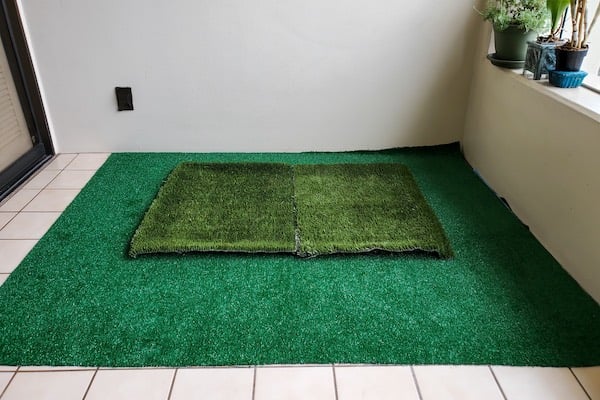
| Artificial Grass | Feels natural, reusable, good for training outdoors | Needs cleaning, may hold odor | Dogs resisting pads |
| Pad with Attractant | Helps guide dogs to the spot | Some dogs dislike scent | Stubborn learners |
Creating A Potty Pad Routine That Works
Dogs thrive on routine. Setting up regular potty times builds good habits.
- Feed and water your dog at set times.
- Take your dog to the pad after eating, waking up, or playing.
- Use a cue word, like “go potty,” every time.
- Reward immediately when your dog uses the pad.
Example routine for a puppy:
- Wake up: Straight to pad
- After breakfast: To pad within 10–15 minutes
- After play: To pad
- Before bed: To pad

Credit: www.lowes.com
Potty Pad Training For Puppies Vs. Adult Dogs
Training is similar for all ages, but there are special tips for each.
| Dog Age | Training Focus | Challenges | Tips |
|---|---|---|---|
| Puppies (under 6 months) | Building routine, short control times | Frequent accidents, short attention span | Take to pad every 1–2 hours, praise a lot |
| Adults (6+ months) | Re-training, breaking old habits | Confusion, stubbornness | Limit space at first, use high-value treats |
| Seniors (8+ years) | Adapting to health changes | Incontinence, arthritis | Use larger pads, more frequent changes |
What To Do If Your Dog Misses By Just A Little
If your dog goes right next to the pad, the fix is usually simple.
- Increase pad size. A bigger target means more success.
- Overlap pads to cover a larger area.
- Use a pad holder to keep pads flat and prevent bunching.
- Reward even “almost” hits to encourage improvement.
Non-obvious insight: Some dogs stand on the pad but aim off the edge. Watch your dog and adjust the pad’s position to match their “style.”
Using Technology: Cameras And Apps
You don’t need fancy gadgets, but technology can help if you’re not home often.
- Pet cameras let you check if your dog is using the pad.
- Training reminder apps help you track potty times.
- Automatic pad changers keep things clean for busy owners.
Example: Set a phone alarm for every 2 hours as a potty reminder.
Multi-dog Homes: Special Tips
Training more than one dog adds challenges.
- Use multiple pads in separate areas.
- Train each dog individually at first.
- Clean up quickly to avoid competition over scent.
- Feed and give water on a schedule to predict potty times.
Confident guidance: Never let one dog’s accident become the “normal” spot for all dogs. Clean well and supervise closely.
Potty Pad Alternatives
If pads aren’t working, consider alternatives.
- Dog litter boxes: Great for small breeds and apartments.
- Grass patches: Indoor or balcony grass squares can help transition to outdoor pottying.
- Doggy doors: Allow dogs access to a small outdoor potty area.
Example: Many urban dog owners use balcony grass patches when outdoor walks are difficult.
Potty Pad Training Timeline
How long does it take to fix potty pad issues? It depends on the dog, but here’s an average timeline:
- Puppies: 2–4 weeks of consistent training
- Adult dogs: 1–3 weeks with supervision and rewards
- Rescue dogs: Up to 6 weeks, depending on background
Remember, patience and consistency are more important than speed.

Credit: www.lowes.com
When To Seek Professional Help
Some dogs need extra help.
- If your dog is anxious, fearful, or aggressive
- If accidents continue after 4–6 weeks of training
- If you see medical signs (blood, pain, or frequent accidents)
A certified dog trainer or veterinary behaviorist can design a custom plan.
Real-life Success Stories
Example 1: Bella, a 6-month-old puppy, missed the pad every morning. After her owner used larger pads and took her to the pad immediately after waking, accidents stopped in 3 days.
Example 2: Max, a senior rescue dog, was afraid of the kitchen tile where his pad was placed. Moving the pad to a carpeted area and switching to a reusable fabric pad solved the problem.
Example 3: Jasper, a small breed, kept having accidents next to the pad. His owner learned that Jasper always turned in a circle before going, so they put the pad in a bigger space and used a pad holder. Jasper started hitting the pad every time.
Frequently Asked Questions
Why Is My Dog Peeing Next To The Potty Pad?
Dogs often pee next to the pad because the pad is too small, dirty, or in a confusing spot. Try using a bigger pad, keep it clean, and make sure the area is easy to reach.
How Do I Stop My Dog From Chewing The Potty Pad?
Some dogs chew pads because they’re bored or dislike the texture. Try a reusable fabric pad or a pad holder. Give your dog chew toys and supervise more closely.
Can I Train An Older Dog To Use A Potty Pad?
Yes, older dogs can learn new habits. Use the same steps: limit space, reward correct use, and be patient. For seniors, check for health issues like arthritis.
What’s The Best Cleaner For Potty Pad Accidents?
Use an enzymatic cleaner designed for pet urine. These break down the odor so your dog isn’t tempted to go in the same spot. Avoid ammonia-based cleaners.
How Do I Transition My Dog From A Potty Pad To Outside?
Move the pad closer to the door over a few days, then place it outside. Reward your dog for using the outdoor spot. Gradually remove the pad once your dog is confident.
If you want more in-depth training advice, visit the American Kennel Club’s Potty Pad Training Guide.
Helping your dog use the potty pad every time takes patience, clear routines, and a bit of trial and error. Most dogs want to do the right thing—they just need your guidance. With the easy fixes above, you’ll soon enjoy a cleaner home and a happier, more confident dog.
Wow, this paragraph is pleasant, my sister is analyzing such things,
thus I am going to tell her.
https://maxmeta.io/index.php/Residential_Real_Estate_Gawler_East, https://oke.zone/profile.php?id=368737 (Milo)
Whoa! This blog looks just like my old one! It’s
on a completely different subject but it has pretty
much the same layout and design. Great choice of colors!
This design is incredible! You obviously know how to keep a reader amused.
Between your wit and your videos, I was almost moved to start
my own blog (well, almost…HaHa!) Wonderful job. I
really loved what you had to say, and more than that, how you presented it.
Too cool!
Wow, awesome blog layout! How long have you been blogging for?
you made blogging look easy. The overall look of your website is excellent,
as well as the content!
WOW just what I was searching for. Came here by searching for
Its like you read my mind! You appear to know a lot about this, like you wrote the book in it or something.
I think that you could do with some pics to
drive the message home a bit, but other than that,
this is magnificent blog. An excellent read.
I will certainly be back.
Heya i’m for the first time here. I found this board
and I find It really useful & it helped me out much.
I hope to give something back and aid others like you helped me.