Every dog owner dreams of a well-behaved companion. Whether you’re teaching your puppy to sit or helping an older dog overcome bad habits, the right training treats can make a huge difference. Dogs learn fastest when rewards are tasty, quick to eat, and healthy.
But with so many options, finding the best dog training treats for faster results can be overwhelming.
This guide will show you how to pick treats that get your dog’s attention, speed up learning, and keep them healthy. You’ll discover why certain treats work better, what ingredients to watch for, and how to use treats effectively. Plus, you’ll get a close look at top products, practical tips, and common mistakes to avoid.
If you want training to be fun, rewarding, and successful, you’re in the right place.
Why Treats Matter In Dog Training
Training a dog is about communication. When your dog does something right, you want to tell them, “Yes, do that again!” Treats are the fastest way to send this message. Dogs repeat behaviors that get them rewards, especially tasty ones.
The Science Behind Treat-based Training
Research shows that positive reinforcement—giving a reward for good behavior—is more effective and less stressful than punishment. According to the American Veterinary Society of Animal Behavior, dogs trained with rewards learn faster and have fewer behavior problems.
Treats work best because:
- They’re immediate: Dogs understand what they’re being rewarded for.
- They’re motivating: Food triggers excitement and focus.
- They build trust: Your dog sees you as a source of good things.
But not all treats are equal. Some are slow to chew, too big, or not exciting enough. The best treats are small, soft, and irresistible.
How Treats Affect Training Speed
Faster training happens when dogs can quickly eat and return to the task. If your treat is crunchy or takes a long time to chew, your dog may lose focus. For rapid learning, treats should be:
- Quick to eat (so you can repeat the behavior many times)
- Smelly or flavorful (to keep your dog interested)
- Low in calories (so you can use many without overfeeding)
What To Look For In The Best Dog Training Treats
Not every snack is a good training treat. Some are for chewing, others for dental health, but only certain types help with fast, focused learning.
Key Qualities Of Great Training Treats
- Size: Small enough for quick eating (pea-sized for small dogs, bean-sized for large dogs).
- Texture: Soft and moist treats are easier to chew and swallow.
- Smell: Strong scents grab a dog’s attention, especially in distracting places.
- Taste: Highly palatable treats are more motivating. Some dogs love cheese, others prefer liver.
- Calories: Low-calorie treats prevent weight gain during frequent training.
- Ingredients: Simple, healthy ingredients are best. Avoid artificial colors, flavors, or too much sugar.
Comparing Popular Training Treat Types
Here’s a quick look at the most common types of training treats:
| Treat Type | Main Benefit | Best For | Example |
|---|---|---|---|
| Soft Commercial Treats | Quick to eat | General Training | Wellness Soft Puppy Bites |
| Freeze-Dried Meat | High value | Distractions or recall | Stewart Pro-Treats |
| Cheese Pieces | Easy to break | Home training | Low-fat mozzarella |
| Cooked Chicken | Natural, healthy | Dogs with allergies | Unseasoned boiled chicken |
| Commercial Jerky | Tough, long-lasting | Less ideal for speed | Blue Buffalo Jerky |
Non-obvious Insights
Many owners don’t realize that variety matters. Dogs get bored if you use only one treat. Rotate between 2–3 types to keep motivation high, especially for advanced training.
Another tip: Moisture content affects smell. The more moist a treat, the stronger the aroma—and the more likely your dog will focus in busy environments.
Top 10 Dog Training Treats For Faster Results
Let’s explore the best choices. These are highly rated by trainers, backed by positive reviews, and proven to help dogs learn quickly. Each treat is described with ingredients, calorie content, and unique benefits.
1. Zuke’s Mini Naturals
Zuke’s Mini Naturals are a classic for a reason. Each treat is about 3 calories, small, and soft enough for puppies and seniors. Main flavors include chicken, salmon, and peanut butter.
Best for: All breeds, frequent training
Unique benefit: Moist and very smelly, great for focus
Ingredients: Whole food ingredients like real meat, barley, and rice syrup
Calorie info: 3 calories per treat
2. Stewart Freeze-dried Liver Treats
Stewart Pro-Treats are made from 100% freeze-dried beef liver. Dogs go wild for the smell. You can break pieces to any size.
Best for: High-distraction environments, recall training
Unique benefit: Single-ingredient, great for allergies
Ingredients: 100% beef liver
Calorie info: About 4 calories per small cube
3. Wellness Soft Puppy Bites
These treats are designed for growing pups but loved by adult dogs, too. Soft, grain-free, and about the size of a pea.
Best for: Puppies, sensitive stomachs
Unique benefit: Includes DHA for brain development
Ingredients: Lamb, salmon, chickpeas, sweet potatoes
Calorie info: 4 calories per treat
4. Tricky Trainers Chewy Dog Treats
Cloud Star’s Tricky Trainers are a favorite among professional trainers. They’re soft, non-greasy, and come in tiny pieces.
Best for: Long training sessions
Unique benefit: Wheat and corn-free
Ingredients: Chicken liver, brown rice, oat flour
Calorie info: 3 calories per treat
5. Blue Buffalo Blue Bits
Blue Bits are moist, small, and come in flavors like chicken and salmon. They contain DHA for cognitive support.
Best for: Training at home or in class
Unique benefit: No artificial preservatives
Ingredients: Chicken, oatmeal, flaxseed, fish oil
Calorie info: 4 calories per treat
6. Purebites Freeze Dried Treats
PureBites treats are single-ingredient, usually chicken, beef, or fish. Freeze-dried to keep nutrients and flavor.
Best for: Dogs with allergies or food sensitivities
Unique benefit: No fillers, just pure meat
Ingredients: 100% chicken breast (or other protein)
Calorie info: About 3 calories per piece
7. Bil-jac Little Jacs
Little Jacs are very small, semi-moist, and full of chicken liver flavor. They’re popular for their soft texture.
Best for: Small dogs, toy breeds
Unique benefit: Easy to handle, not crumbly
Ingredients: Chicken liver, chicken, corn meal
Calorie info: 2.8 calories per treat
8. Merrick Power Bites
Merrick Power Bites are grain-free, soft, and made with real deboned meat. They’re a bit larger but can be broken into pieces.
Best for: Medium to large dogs
Unique benefit: High protein, good for active dogs
Ingredients: Deboned beef, potatoes, peas
Calorie info: 5 calories per treat
9. Natural Balance Mini Rewards
Mini Rewards are made with real chicken and brown rice. They’re small and only 5 calories each.
Best for: Dogs on a diet
Unique benefit: Very low calorie
Ingredients: Chicken, brown rice, barley
Calorie info: 5 calories per treat
10. Charlee Bear Dog Treats
Charlee Bear treats are dry, crunchy, and only 3 calories each. They’re not as smelly as soft treats but work for short sessions.
Best for: Dogs that don’t like moist treats
Unique benefit: Won’t stain pockets
Ingredients: Chicken liver, wheat flour, salt
Calorie info: 3 calories per treat
Homemade Dog Training Treat Options
You don’t have to buy treats to get great results. Many trainers use simple foods from the kitchen.
Safe Homemade Treat Ideas
- Boiled chicken breast: Cut into tiny pieces
- Low-fat cheese: Like mozzarella or string cheese, diced small
- Cooked turkey: Unseasoned, chopped fine
- Hot dog slices: Use turkey or chicken hot dogs, cut into thin coins
Homemade Treat Recipe: Chicken Training Bites
Ingredients:
- 1 cup cooked chicken breast, shredded
- 1 egg
- 1/2 cup oat flour
Instructions:
- Preheat oven to 350°F (175°C).
- Mix all ingredients in a bowl.
- Roll into small balls (pea-sized).
- Place on a baking sheet lined with parchment.
- Bake for 10–12 minutes, until firm but not hard.
- Cool and store in the fridge for up to a week.
Pro tip: Don’t use onions, garlic, or added salt—these are unsafe for dogs.
Comparing Store-bought Vs. Homemade Treats
| Feature | Store-Bought Treats | Homemade Treats |
|---|---|---|
| Convenience | Very high | Requires prep time |
| Ingredient Control | Limited | Full control |
| Cost | Higher per treat | Often cheaper |
| Shelf Life | Long | Shorter (refrigerate) |
| Customizable | Low | High |

Credit: tiptopk9.com
How To Use Treats For The Best Training Results
Choosing the right treat is only part of the story. How and when you use them matters just as much.
Timing Is Everything
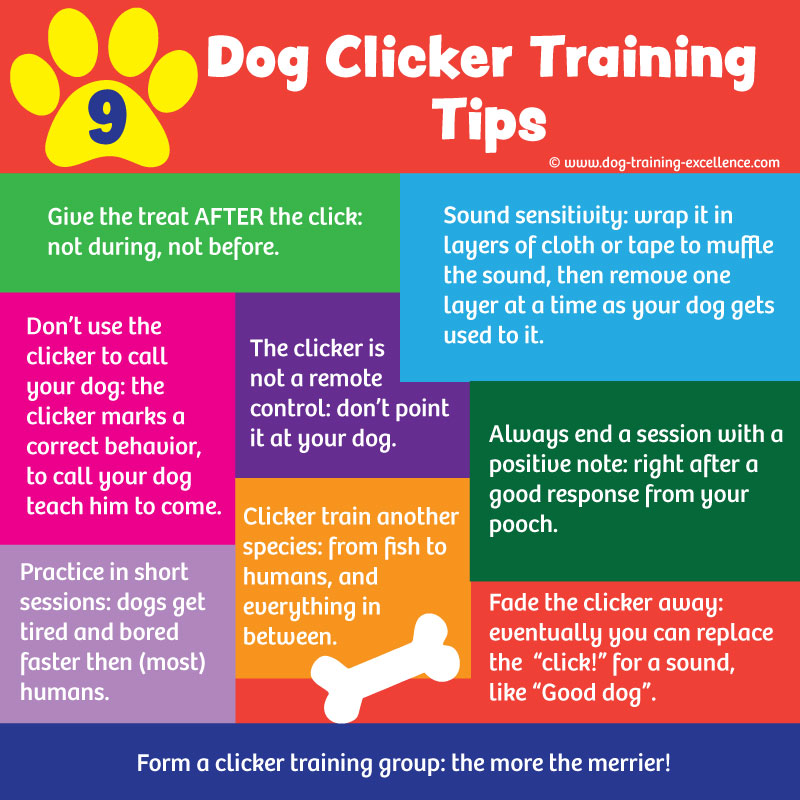
Dogs associate rewards with what they just did. Give the treat immediately after the correct behavior—within 1–2 seconds. Delayed rewards confuse dogs.
Break Treats Into Tiny Pieces
Smaller treats mean more repetitions and less risk of overfeeding. A single Zuke’s Mini Natural can be split in half for small dogs.
Use A Variety Of Treat Values
Some behaviors are harder to teach. Use “regular” treats for easy cues (sit, down) and “high-value” treats (like chicken or cheese) for tough situations or distractions.
Don’t Overfeed
Training sessions can add up. If your dog is getting lots of treats, reduce meal size a little, or choose treats with fewer calories.
Watch For Allergies
If your dog scratches, licks paws, or gets an upset stomach, try single-ingredient treats or change protein sources.
Fade Treats Gradually
Once your dog knows a cue, start rewarding every other time, then randomly. This keeps your dog guessing and working hard, but doesn’t create a treat “dependency. ”
Common Mistakes When Choosing And Using Training Treats
Even well-meaning owners can slow progress by making treat mistakes. Here are errors to avoid:
- Treats too big: Dogs fill up fast and lose interest.
- Wrong timing: Rewarding too late confuses the dog.
- Same treat every time: Dogs get bored, especially with dry biscuits.
- High-calorie treats: Can lead to weight gain and health issues.
- Treats too hard or crunchy: Slow to chew, breaks the training flow.
- Treats with fillers: Corn, soy, or artificial colors can cause sensitivities.
- Using only treats: Mix in praise, petting, or toys for variety.
Example: Some owners use large jerky strips or bones as training rewards. These are best for chewing, not for fast-paced learning. Stick to tiny, soft treats for best results.
Training Treats For Special Needs Dogs
Some dogs need extra care when it comes to treats. Here’s how to adjust for specific needs.
Puppies
Puppies have sensitive stomachs. Choose soft, easily digestible treats with simple ingredients. Avoid treats with artificial preservatives or added fat.
Senior Dogs
Older dogs may have dental issues. Pick moist, soft treats that are easy to chew. Avoid crunchy biscuits.
Dogs With Allergies
Single-ingredient treats or hypoallergenic options (like freeze-dried lamb or fish) are safest. Always check the ingredient list.
Overweight Dogs
Use low-calorie treats or break regular treats into smaller pieces. Some owners use cooked green beans or carrot slices as “treats” for weight control.
Tiny Breeds
Very small dogs need extra-small pieces. Even a “mini” treat can be too much, so break them further.
Are Human Foods Safe As Training Treats?
Many human foods can be safe, but not all. Stick to plain, unseasoned, and dog-safe foods.
Safe Human Foods For Training
- Plain cooked chicken or turkey
- Low-fat string cheese
- Small bits of apple (no seeds)
- Unsweetened pumpkin (tiny spoonfuls)
Foods To Avoid
Never use chocolate, grapes, raisins, onions, garlic, or foods with xylitol. These can be toxic even in small amounts.
Non-obvious tip: Some peanut butter contains xylitol, an artificial sweetener that is deadly to dogs. Always check the label.
How Many Treats Are Too Many?
It’s easy to overdo it. Treats should make up no more than 10% of your dog’s daily calories. For a 30-pound dog, that’s about 100–120 calories from treats per day.
Estimating Treat Calories
If you’re using high-value treats, reduce your dog’s regular food slightly. For tiny breeds, be even more cautious.
Here’s a quick calorie comparison:
| Treat Name | Calories per Piece | Recommended Max Pieces (30 lb dog) |
|---|---|---|
| Zuke’s Mini Naturals | 3 | 30–35 |
| Stewart Pro-Treats | 4 | 25–30 |
| Wellness Soft Bites | 4 | 25–30 |
| Charlee Bear | 3 | 30–40 |
If you need to use more treats, break them into even smaller pieces.
When To Switch Treat Types
Dogs can get “treat fatigue”—they stop caring about the reward if it’s always the same. Switch treats when:
- Your dog seems bored or less eager.
- You’re training in a new, more distracting place.
- You’re teaching a harder skill.
Use “jackpot” rewards (like hot dogs or real chicken) for breakthroughs, such as the first time your dog comes when called at the park.

Credit: www.amazon.com
Where To Buy The Best Dog Training Treats
Most top treats are available at pet stores, online retailers, and even grocery stores. For reviews and ingredient information, check sites like American Kennel Club.
If your dog has allergies or health conditions, consult your veterinarian before trying a new treat.
Frequently Asked Questions
What Is The Best Treat To Use For Dog Training?
The best treat is small, soft, and highly motivating for your dog. Popular choices include Zuke’s Mini Naturals, freeze-dried meat, or small bits of cooked chicken. Always test a few options to see what your dog loves most.
How Many Treats Should I Give During A Training Session?
Give as many as needed for successful learning but keep the treats tiny. For most dogs, 20–40 pea-sized treats in a session is safe. Adjust your dog’s regular meals to prevent overfeeding.
Can I Use My Dog’s Regular Kibble As Training Treats?
Yes, for easy tasks or dogs that love their food. But for harder training or distractions, use higher-value treats. Kibble is less exciting, so mix in special treats for best results.
Are Homemade Treats Better Than Store-bought?
Homemade treats let you control ingredients and avoid preservatives. Store-bought treats are more convenient and last longer. Both can work well—choose what fits your dog’s needs and your schedule.
Do I Always Have To Use Treats To Train My Dog?
Treats are best for teaching new behaviors. Once your dog knows a command, reward with praise, play, or petting sometimes. But keep treats handy for challenging situations or “refreshers.”
Choosing the right training treat can speed up learning and make dog training fun for both of you. With smart choices and good timing, you’ll see progress faster—and your dog will love every minute.
Credit: www.dog-training-excellence.com